
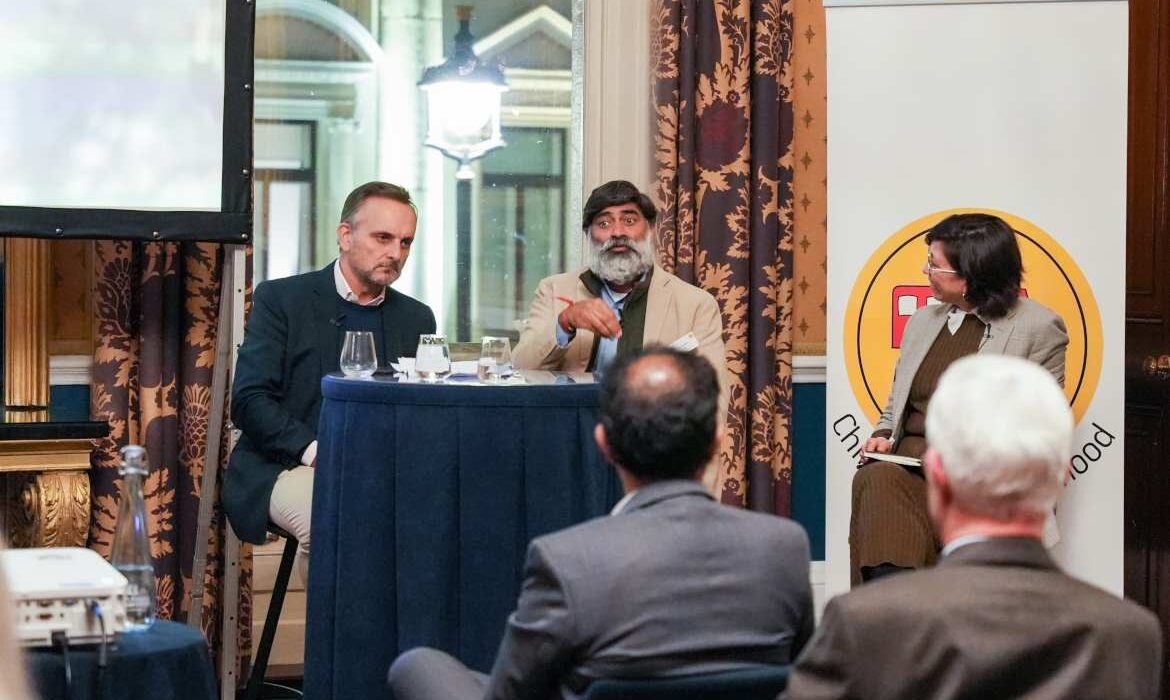
India at a Turning Point:
How Philanthropy and Partnerships Will Shape the Future of Opportunity
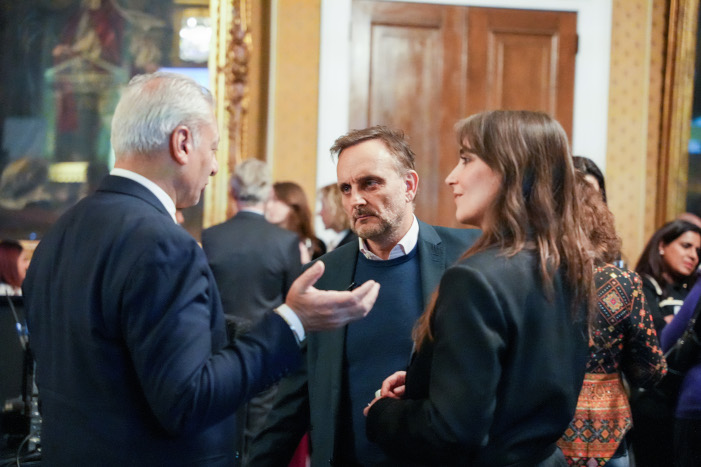
Magic Bus UK hosted an evening of conversation and reflection, themed, India at a Turning Point: Education, Employability and Inclusive Growth in a Young Nation. We brought together leaders from across philanthropy, social impact and strategy to explore one central question:
How do we ensure that the world’s largest generation of young people have the opportunity to succeed?
India today stands at a defining demographic moment. With one of the youngest populations in the world, the country has enormous potential to drive economic growth, innovation and social progress. But unlocking this potential depends on how effectively systems support young people as they transition from education to meaningful employment.
A Conversation on Opportunity and Responsibility:
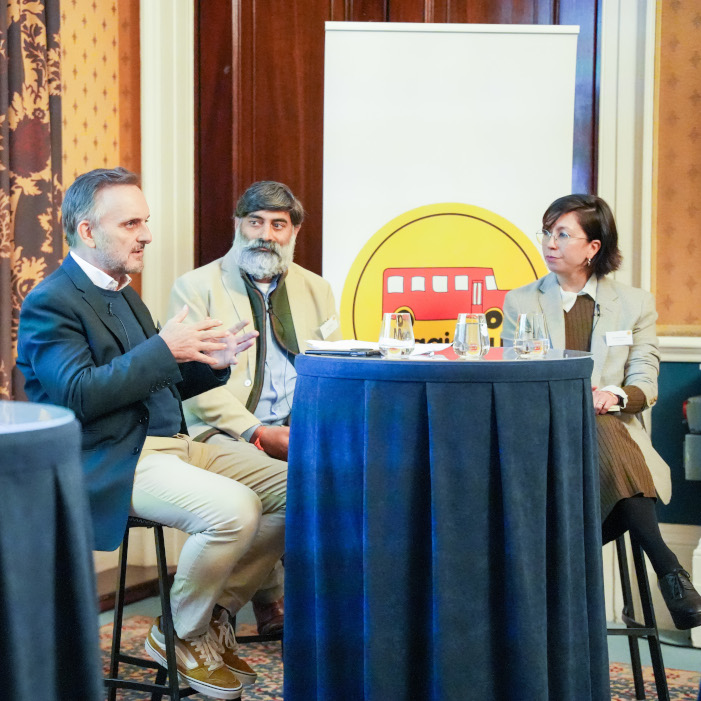
The evening featured a thoughtful panel discussion with three speakers: Matthew Spacie, Founder of Magic Bus; Deval Sanghavi, Co-Founder of Dasra; and Alex Ruhland-Syquia, Advisor at I.G. Advisors. Together, they explored how India’s demographic moment represents not only an extraordinary opportunity, but also a shared responsibility. From the realities faced by young people in underserved communities to the broader systems needed to support inclusive growth, the discussion highlighted the importance of building stronger pathways between education, employability and long-term economic participation.
One theme resonated throughout the conversation: the transition between education and employment remains one of the most fragile stages in a young person’s journey.
Each year, millions of young people complete school but struggle to access the opportunities, skills and networks needed to move into sustainable livelihoods. For many, particularly young women and those from marginalised communities, this transition becomes the point where potential risks being lost.
The Challenge of Innovating in the Social Sector
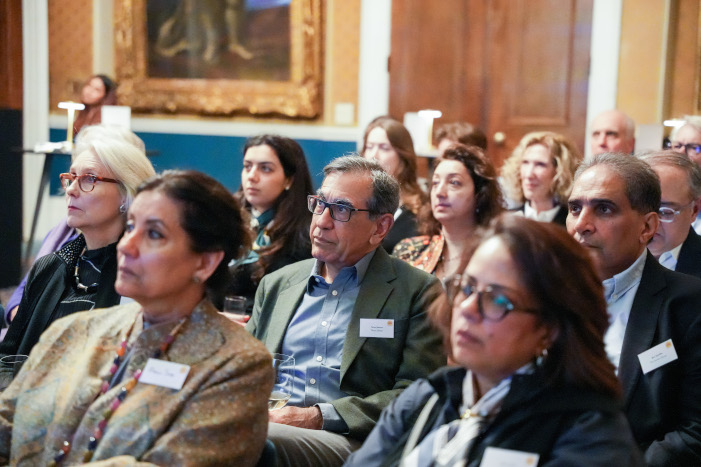
Another important topic that emerged was the reality of sustaining impact in the social sector. Charities today are expected to innovate constantly, adapting to shifting labour markets, emerging technologies and changing societal needs. The rise of artificial intelligence, digital skills and new forms of employment is rapidly transforming the capabilities young people must develop in order to succeed. Yet innovation itself carries risk. Many organisations recognise the need to test new approaches, integrate future skills and explore different programme models.
However, funding structures often prioritise proven results over experimentation, leaving limited room for charities to test new ideas. This creates a critical question for the sector: How can organisations innovate responsibly when the space to experiment is rarely funded?
The Catalytic Power of Philanthropy
This is where philanthropy plays a uniquely catalytic role. Unlike traditional funding structures, philanthropic capital has the ability to support bold ideas, systems change and long-term solutions. It can enable organisations to test approaches, learn from challenges and refine models that ultimately create more sustainable impact. When philanthropy invests not only in programmes but also in innovation and learning, it unlocks the possibility for deeper and more transformative change.
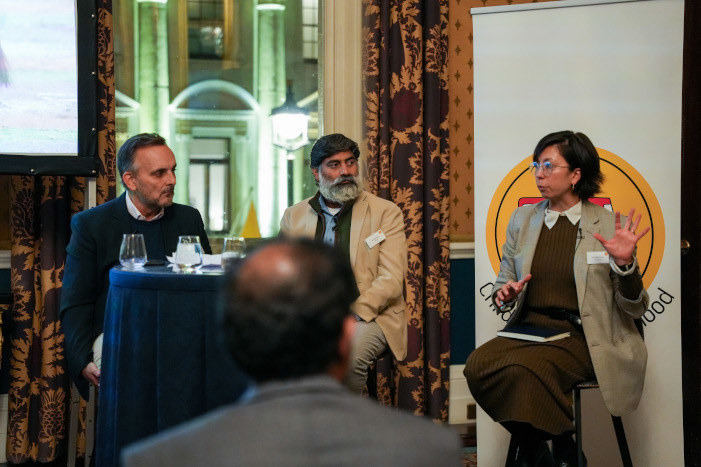
Across India’s social impact ecosystem, we need catalytic support that can strengthen organisations, build collaborative networks and develop new pathways for young people. The idea here is to prepare young people for a changing economy. As the global economy evolves, preparing young people for the future requires a broader approach to employability. Along with confidence, resilience and life skills that enable them to navigate an increasingly complex and unpredictable world, technical knowledge or industry relevant skills are crucial now more than ever.
For charities like Magic Bus, this means equipping young people with both practical skills and personal capabilities from communication and problem-solving to digital literacy and adaptability. These skills are particularly critical for young people growing up in underserved communities, where access to opportunity is often limited.
By strengthening this transition from childhood to livelihood, organisations can help ensure that young people are not only employable, but empowered to shape their own futures. So what will enable the charity to bridge the Childhood to Livelihood gap?
Perhaps the most important takeaway from the evening was that no single organisation can solve these challenges alone. It is the power of Collaboration as the Path Forward.
Sustainable progress depends on collaboration across sectors, philanthropy, civil society, government and business working together towards shared outcomes. When these sectors align, it becomes possible to build systems that support millions of young people in accessing meaningful opportunities.
What we need is a Shared Commitment to the Next Generation, a cohort that has been through the pandemic during schooling, seen the rise of artificial intelligence during secondary education, facing a job scarcity during employment, and fighting inflation and cost of living for just existence? With these conditions, adding a complex layer – poverty means less access, and less opportunity.
Discussions like these remind us that when philanthropy, organisations and partners come together with a shared purpose, the potential for impact becomes far greater.
And for the millions of young people standing at the threshold of their futures, that collective effort could make all the difference.