Redefining Football: How Manchester City and Magic Bus Are Using Sport for Development as a Tool Across India.

Redefining Football: How Manchester City and Magic Bus Are Using Sport for Development as a Tool Across India.

Across the UK, football has increasingly become a vehicle for more than performance. Through Manchester City and the wider work of the City Football Group, we have seen how structured programmes can contribute to community engagement, youth development, and social impact. From Premier League community programmes to broader football club social impact UK initiatives, there is a growing understanding that sport can play a meaningful role in addressing systemic challenges. 

Yet, while this shift is well recognised in the UK, its application at scale across the globe in more complex development contexts offers a deeper insight into what sport can truly achieve.  

The collaboration between Magic Bus and Manchester City provides one such case working across deprived and marginalised communities in India, where access to opportunity is limited, and where structured interventions are critical to enabling young people to move forward and achieve sustainable living. 

From Engagement to Intervention: The Evolution of Sport for Development 

Sport is often framed as an engagement tool, it is a way to bring young people together. However, the Magic Bus framework suggests that when designed intentionally, sport can function as a delivery system for behavioural change, personal development, and long-term outcomes, particularly for adolescents growing up in environments shaped by disadvantage. 

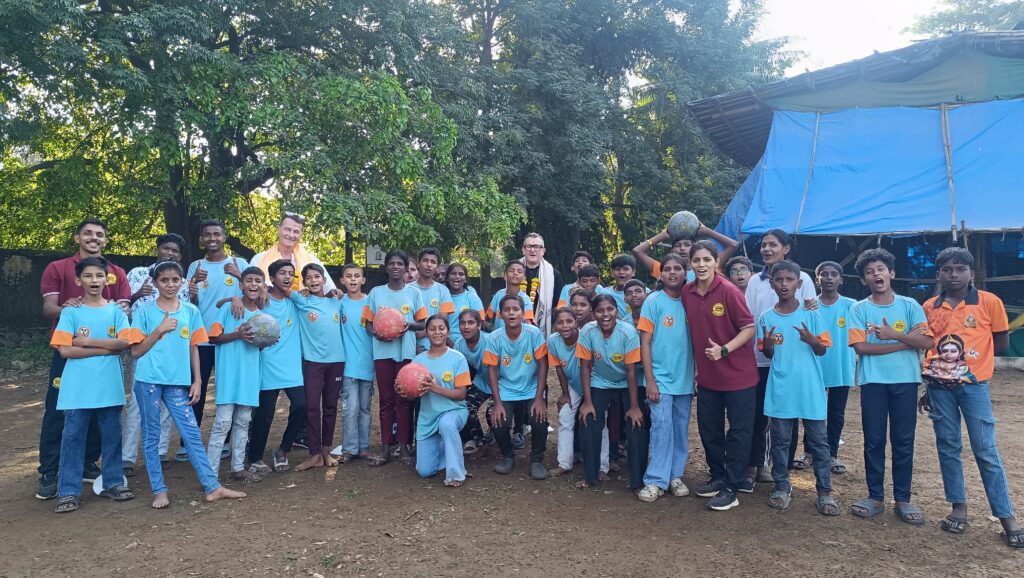
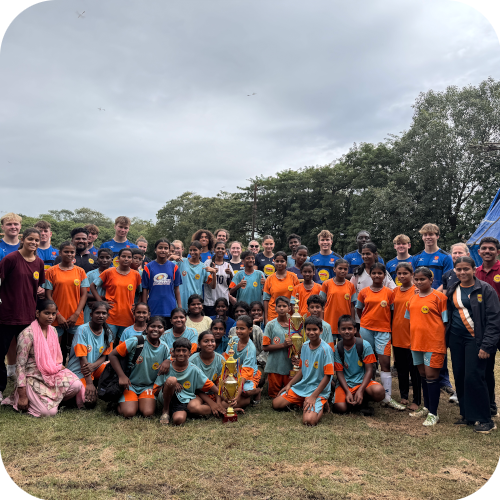
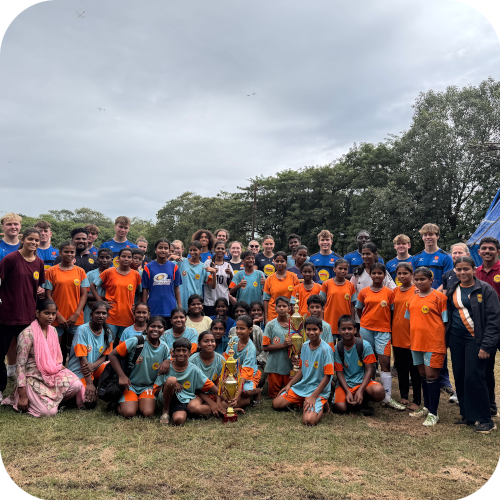
Through the Healthy Heroes programme, Magic Bus is working with Manchester City to reach 7,000 adolescents across 7 cities in India, using football not as an end, but as a tool, it is a structured intervention to change futures of young people. 

Rather than focusing solely on play, the programme integrates football into a broader framework that develops:  

  • Decision-making and problem-solving 
  • Communication, teamwork, and leadership 
  • Self-management, resilience, and stronger mental health 
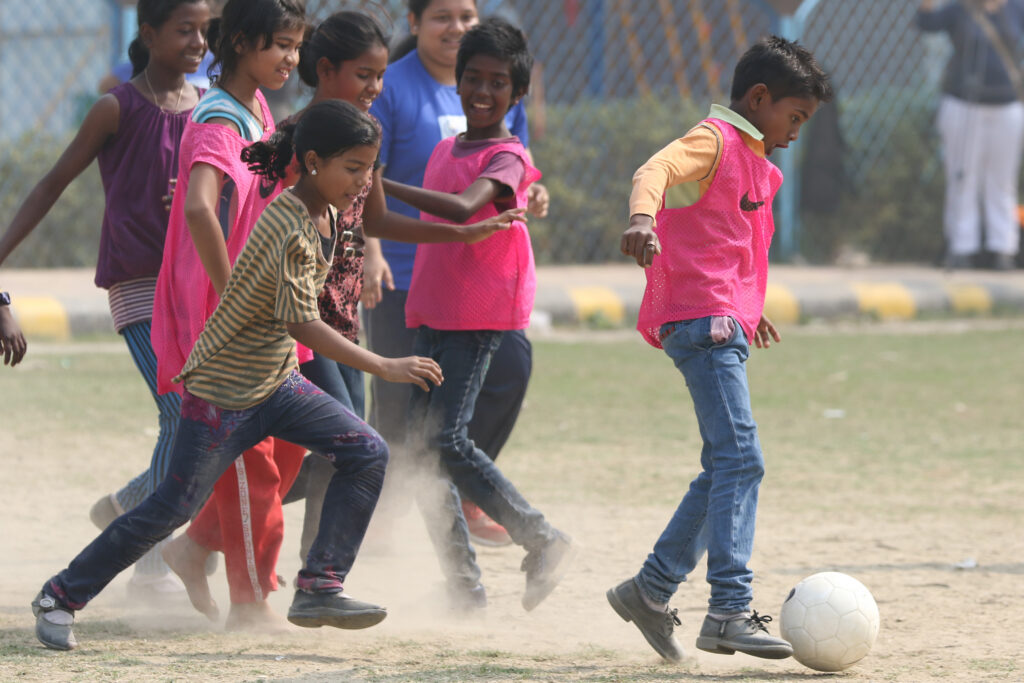
These life-skills are increasingly recognised as essential within both education and employment systems, particularly today in contexts where one needs more than formal learning to prepare for the workforce. For many of these young people, this is not just about learning skills, it is about using them to break out of cycles of extreme disadvantage, building a pathway forward. 

Localisation: The Challenges and Delivery 

One of the defining features of this programme is its localised design within a scalable model, a principle often discussed in global development, but has its challenges when implemented effectively in communities that are distinct from each other. With Manchester City delivering community programmes across the globe, they seem to have immersed themselves at the grassroots level to ensure impact is tailored to the communities they serve. 

Each of the seven locations integrates football sessions with a specific community focus: 

  • WASH interventions in Delhi and Ahmedabad 
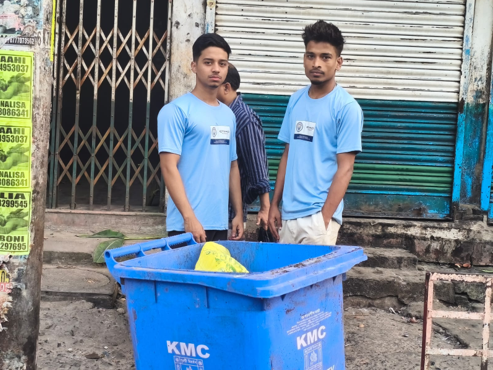
  • Waste management initiatives in Bangalore and Hyderabad 
  • Green skills in Kochi 
  • School retention in Mumbai 
  • Gender inclusion through Girl Champions in Kolkata 

This reflects a broader shift within sport foundation community work, where sport is used not in isolation, but as part of multi-layered interventions that address real community challenges and respond directly to the lived realities of young people. 
Leadership is an Outcome, Not an Add-On 

A consistent gap in many football charity social change initiatives is the transition from participation to leadership. In this programme, that transition is in-built in the model. 
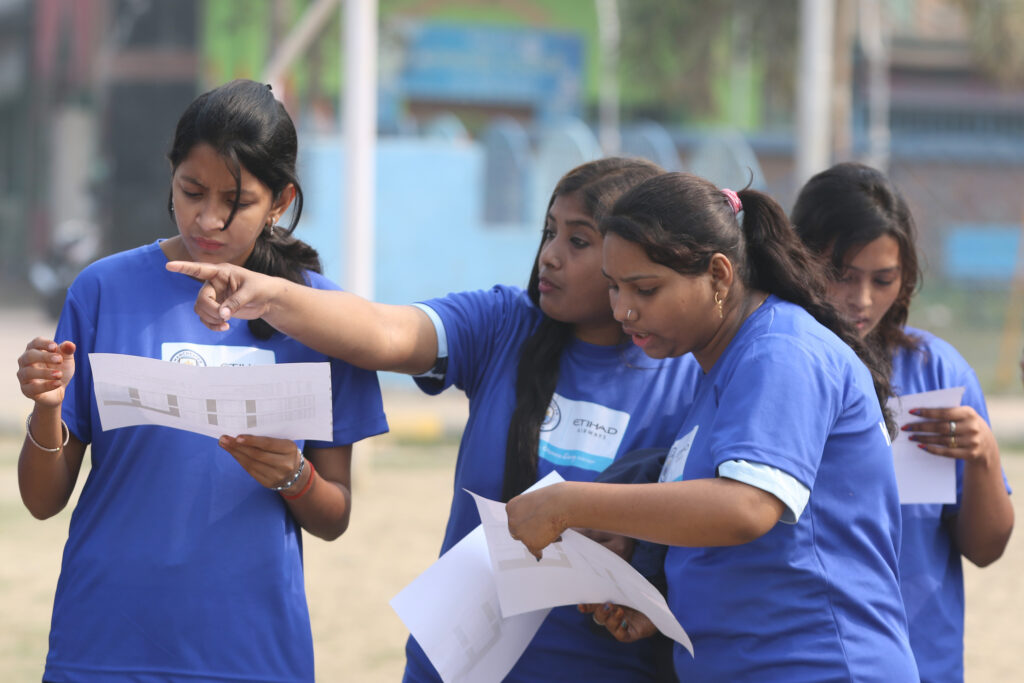
Young people are not only engaged in football sessions, from the start we call them Young Leaders. They are prepared to lead and represent the community they belong to. Manchester City and Magic Bus together train them to develop critical life skills, thereafter making leadership ready such that they are responsible for designing and delivering sessions within their own communities. 

This shifts the model from service delivery to community ownership, where one individual becomes a catalyst, influencing and enabling change within their own environment. This results in change at multiple levels in the community they come from, enabling many more to dream. 

The outcomes are tangible. 

In multiple locations, young leaders have:  

  • Mobilised communities to address waste disposal in shared spaces 
  • Advocated for improved water access through local governance systems 
  • Challenged gender norms by increasing girls’ participation in sport 

These actions demonstrate a critical insight:  When young people are given agency, sport becomes a platform for civic engagement and community transformation and not just personal development. 

The Role of Global Football Institutions 

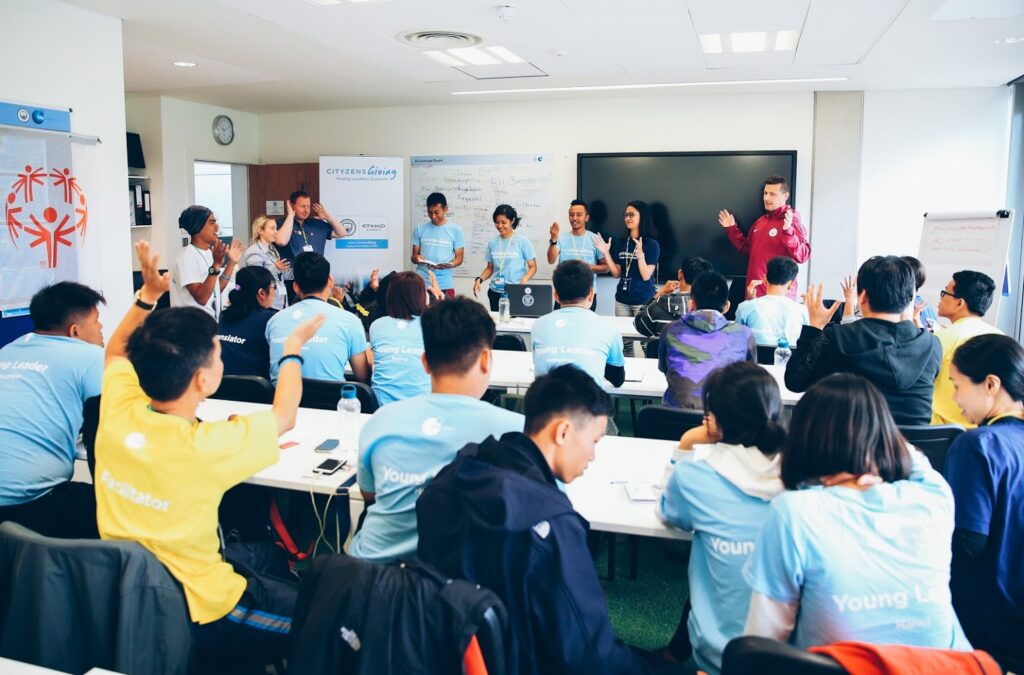
The involvement of Manchester City extends beyond funding or visibility. Through initiatives such as the Young Leaders’ Summit, the club brings structured expertise in leadership, coaching and programme design. 

Manchester City ensures impact through programmes where participants feel they are a part of a global movement. From learning life-skills in their own local communities to visiting the Etihad Stadium as a youth leader, (at the Young Leaders’ Summit), the football club ensures an evolution from community outreach to knowledge exchange that gives global exposure. 

The Summit itself provides : 

  • Training in leadership, advocacy and project management 
  • Exposure to peer learning, and an opportunity to design and deliver workshops in the community 
  • A platform for young people to see themselves as part of a global brand
Gender Inclusion as a Systemic Shift 

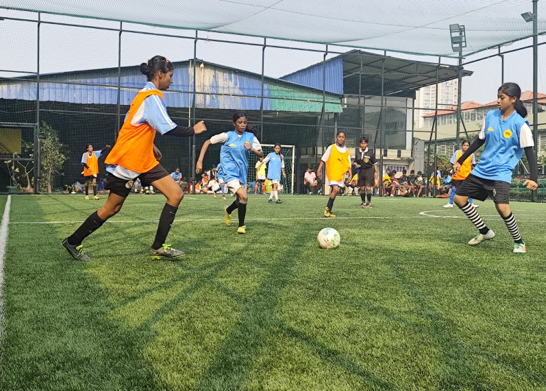
Perhaps one of the most significant outcomes of our programme is its impact on gender inclusion. In Kolkata, where participation in sport for girls has historically been limited, Magic Bus has observed nearly 70% of programme participants are female. More importantly, girls are not only participating, they are learning, they are leading. 

This shift highlights a crucial insight sport has the power to challenge deeply embedded social norms specially when it is combined with structured support and community engagement. Magic Bus uses this insight in its programmes, teaching adolescents about gender equity at an early age, delivering the message that each person irrespective of their gender deserves the same opportunities.  
Implications for the UK and Global Sport for Development 

For UK audiences, where discussions around Clubs, Premier League, Community programmes and football club social impact continue to evolve, this partnership offers a valuable perspective. 

It demonstrates that:  

  • Sport can function as a systemic intervention, not just an engagement tool
  • Localised programme design is essential for meaningful impact 
  • Leadership development must be embedded, not assumed
  • Cross-sector collaboration strengthens outcomes 

Most importantly, it challenges a common assumption, that sport’s primary value lies in participation or winning. Instead, it positions sport as a framework for long-term development, particularly in contexts where young people are navigating structural barriers and limited access to opportunity. 

As global conversations around sport and development continue to mature, partnerships like this offer a clear direction of travel. 

Football, when structured with intent, can do more than just engage.  It can build systems.  It can shift behaviours.  It can create pathways. 

And most importantly, it can ensure that opportunity is not defined by where a young person starts but by what they are supported to become, and how they go on to shape change for others around them. 
We’re Recruiting a Global Finance Manager

We're Recruiting a Global Finance Manager

Magic Bus is seeking a Global Senior Finance Manager to lead financial management across each of its Magic Bus Global, UK and Singapore entities (“three Magic Bus entities”). This is a senior, high-impact role, critical to supporting the organisation’s next phase of growth and strengthening its global finance function.

Based in London, UK and reporting to the Magic Bus UK Board and Executive Director (with alignment to Magic Bus Global and Singapore leadership), the role operates within an international development NGO environment. It combines hands-on financial management with strategic oversight, ensuring strong governance, compliance, and financial insight across multiple geographies.

The post holder will oversee end-to-end finance operations, manage outsourced providers (audit, payroll) and play a key role in driving financial sustainability and performance.  In addition, and when the opportunity arises, the post holder will support the fundraising initiatives of Magic Bus UK and any other Magic Bus entities as appropriate.

For more information about the role, please click here to download the full Job Specification.

To apply, please send your CV and a cover letter to [email protected] by 31st August 2026.

India at a Turning Point

India at a Turning Point:

How Philanthropy and Partnerships Will Shape the Future of Opportunity

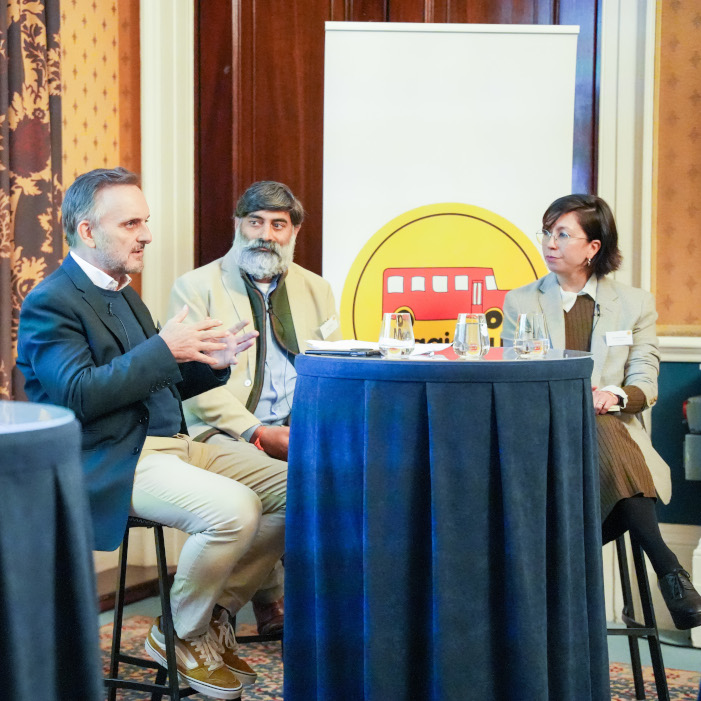
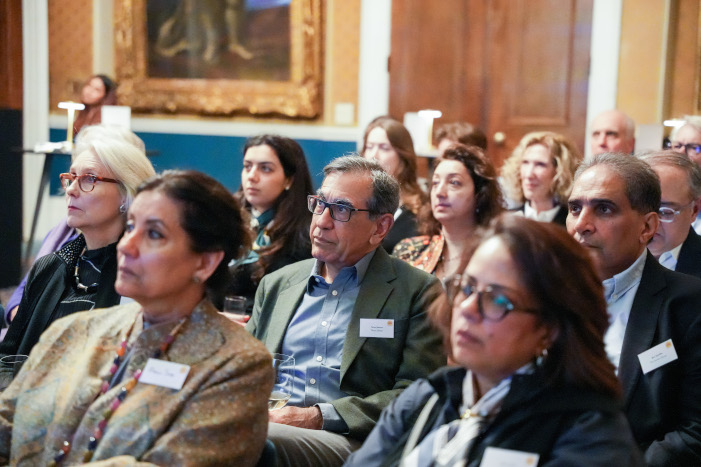
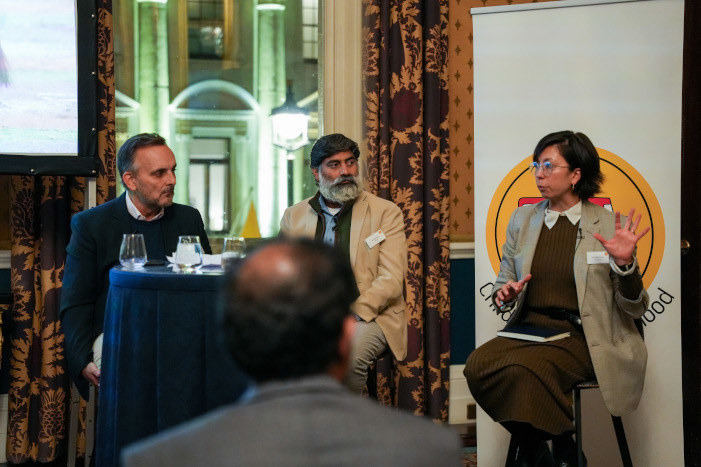
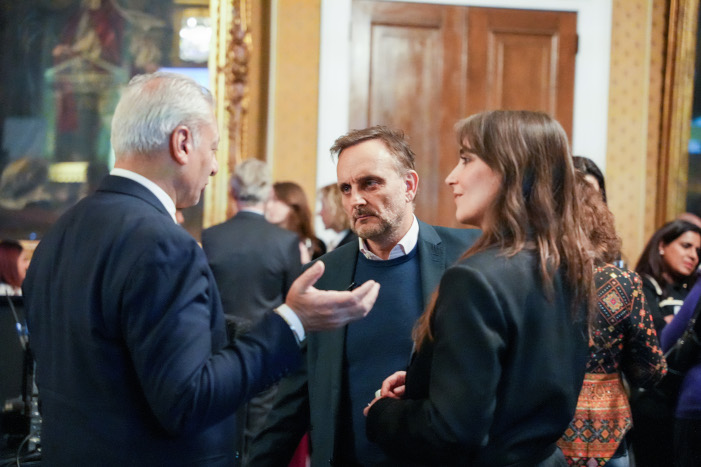
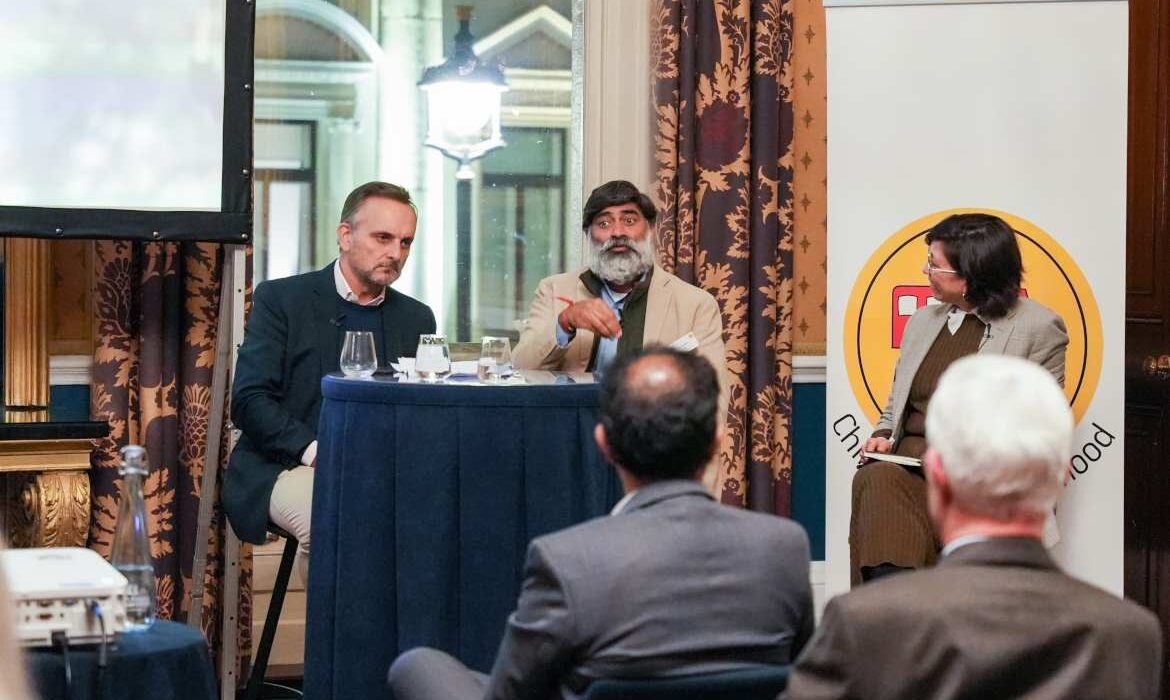
Magic Bus UK hosted an evening of conversation and reflection, themed, India at a Turning Point: Education, Employability and Inclusive Growth in a Young Nation. We brought together leaders from across philanthropy, social impact and strategy to explore one central question:

How do we ensure that the world’s largest generation of young people have the opportunity to succeed?

India today stands at a defining demographic moment. With one of the youngest populations in the world, the country has enormous potential to drive economic growth, innovation and social progress. But unlocking this potential depends on how effectively systems support young people as they transition from education to meaningful employment.

A Conversation on Opportunity and Responsibility:

The evening featured a thoughtful panel discussion with three speakers: Matthew Spacie, Founder of Magic Bus; Deval Sanghavi, Co-Founder of Dasra; and Alex Ruhland-Syquia, Advisor at I.G. Advisors. Together, they explored how India’s demographic moment represents not only an extraordinary opportunity, but also a shared responsibility. From the realities faced by young people in underserved communities to the broader systems needed to support inclusive growth, the discussion highlighted the importance of building stronger pathways between education, employability and long-term economic participation.

One theme resonated throughout the conversation: the transition between education and employment remains one of the most fragile stages in a young person’s journey.

Each year, millions of young people complete school but struggle to access the opportunities, skills and networks needed to move into sustainable livelihoods. For many, particularly young women and those from marginalised communities, this transition becomes the point where potential risks being lost.

The Challenge of Innovating in the Social Sector

Another important topic that emerged was the reality of sustaining impact in the social sector. Charities today are expected to innovate constantly, adapting to shifting labour markets, emerging technologies and changing societal needs. The rise of artificial intelligence, digital skills and new forms of employment is rapidly transforming the capabilities young people must develop in order to succeed. Yet innovation itself carries risk. Many organisations recognise the need to test new approaches, integrate future skills and explore different programme models.

However, funding structures often prioritise proven results over experimentation, leaving limited room for charities to test new ideas. This creates a critical question for the sector: How can organisations innovate responsibly when the space to experiment is rarely funded?

The Catalytic Power of Philanthropy

This is where philanthropy plays a uniquely catalytic role. Unlike traditional funding structures, philanthropic capital has the ability to support bold ideas, systems change and long-term solutions. It can enable organisations to test approaches, learn from challenges and refine models that ultimately create more sustainable impact. When philanthropy invests not only in programmes but also in innovation and learning, it unlocks the possibility for deeper and more transformative change.

Across India’s social impact ecosystem, we need catalytic support that can strengthen organisations, build collaborative networks and develop new pathways for young people. The idea here is to prepare young people for a changing economy. As the global economy evolves, preparing young people for the future requires a broader approach to employability. Along with confidence, resilience and life skills that enable them to navigate an increasingly complex and unpredictable world, technical knowledge or industry relevant skills are crucial now more than ever.

For charities like Magic Bus, this means equipping young people with both practical skills and personal capabilities from communication and problem-solving to digital literacy and adaptability. These skills are particularly critical for young people growing up in underserved communities, where access to opportunity is often limited.

By strengthening this transition from childhood to livelihood, organisations can help ensure that young people are not only employable, but empowered to shape their own futures. So what will enable the charity to bridge the Childhood to Livelihood gap?

Perhaps the most important takeaway from the evening was that no single organisation can solve these challenges alone. It is the power of Collaboration as the Path Forward.

Sustainable progress depends on collaboration across sectors, philanthropy, civil society, government and business working together towards shared outcomes. When these sectors align, it becomes possible to build systems that support millions of young people in accessing meaningful opportunities.

What we need is a Shared Commitment to the Next Generation, a cohort that has been through the pandemic during schooling, seen the rise of artificial intelligence during secondary education, facing a job scarcity during employment, and fighting inflation and cost of living for just existence? With these conditions, adding a complex layer – poverty means less access, and less opportunity.

Discussions like these remind us that when philanthropy, organisations and partners come together with a shared purpose, the potential for impact becomes far greater.

And for the millions of young people standing at the threshold of their futures, that collective effort could make all the difference.

A New Beginning for 200 Young Learners in Bombay Port Trust

A New Beginning for 200 Young Learners in Bombay Port Trust

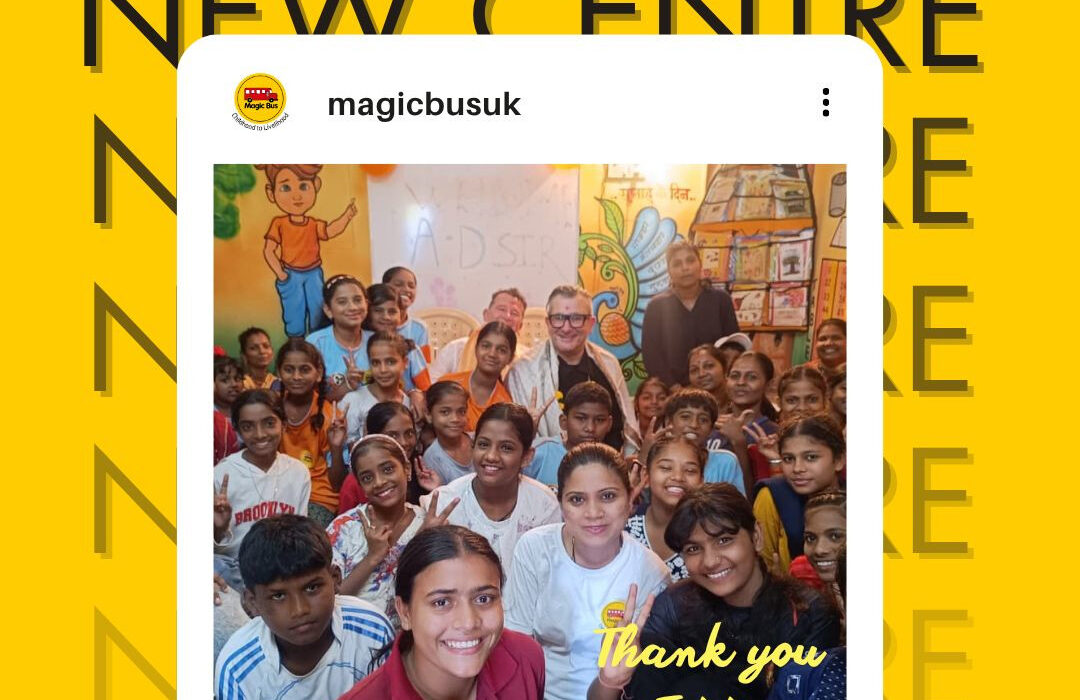
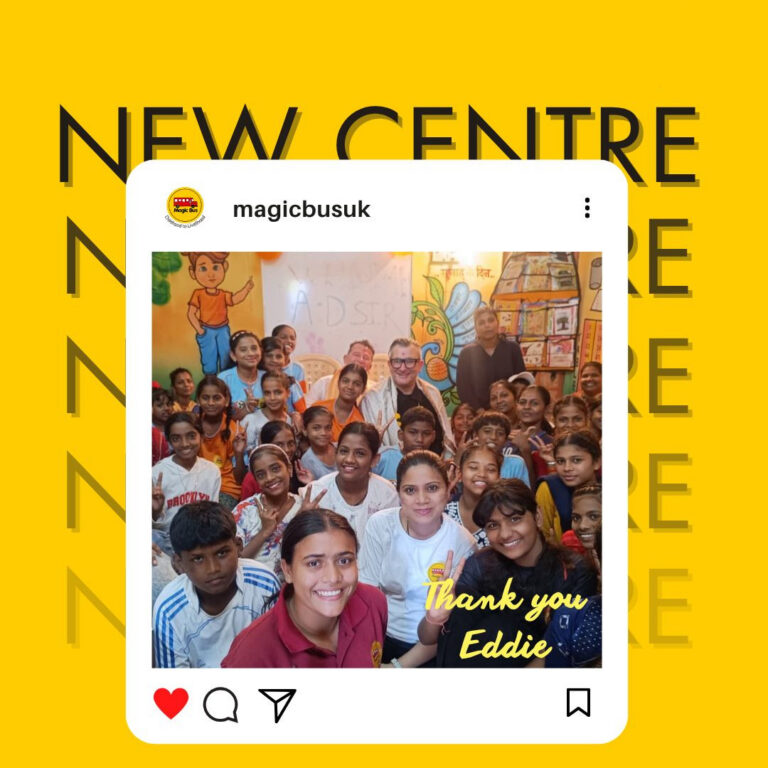
We’re proud to launch our first Community Learning Centre (CLC) in the BPT (Bombay Port Trust) community. A safe, nurturing space where 200 children will strengthen their Foundational Numeracy and Literacy (FNL) skills and build the confidence to stay in school and dream bigger.

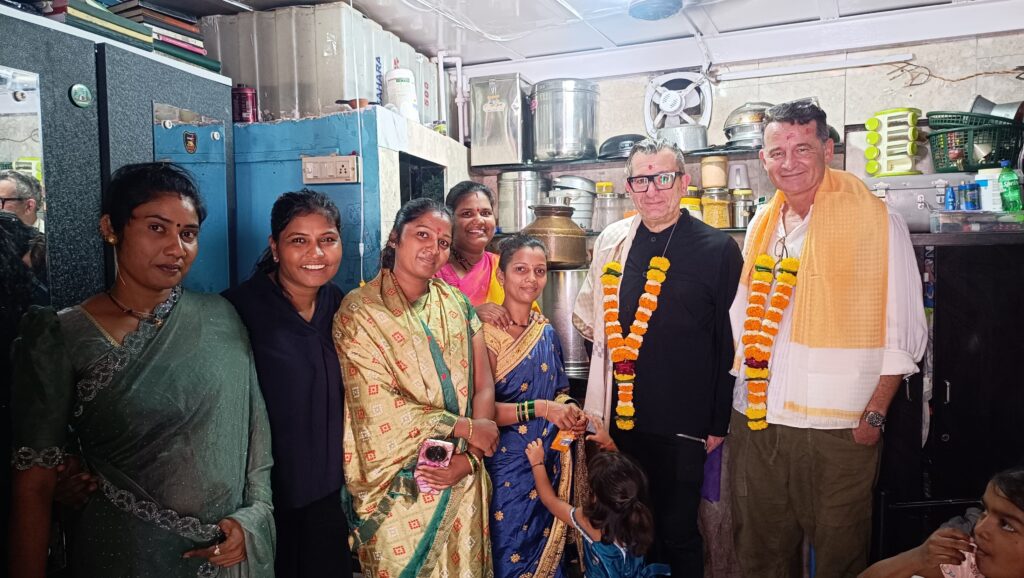
Centres like this are the heartbeat of our mission, creating access to education, and opportunity where it’s needed most. A special thanks to Edward McMullan for funding this and Martin for being part of this incredible milestone and celebrating the inauguration in true Indian style!

This is where brighter futures begin. You can open more doors to learning and livelihoods and keep every child on the path from childhood to livelihood.

Creating Young Leaders with Felsted School

Creating Young Leaders with Felsted School

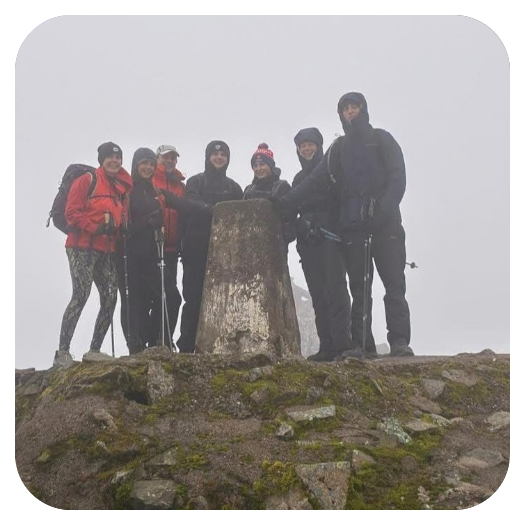
Four Year 12 Felsted students took on the extraordinary Three Peaks Challenge in support of Magic Bus, completing one of the UK’s toughest endurance adventures. 

Their goal was to raise £1,500 to support communities like Dharavi in Mumbai but they went above and beyond, raising an amazing £4,000+ from generous supporters.

Read more on Felsted School’s website.

Beyond their Three Peaks fundraising, Felsted students travelled to India to visit Magic Bus communities and learn directly from our team, our young people, and local families. They interacted with the adolescents, played sports, and got a cultural glimpse through the art of Warli Painting.

This truly immersive experience exposed them to how life-skills, sport, and mentorship to empower young people from underserved communities, helping them move confidently from childhood to livelihood.

Read more about Felsted’s visit to our programmes on our LinkedIn Page.

If you are a parent or teacher and are interested in finding out how your school and Magic Bus can work together, check out our Schools Page to learn more about how partnering with us can be an enriching experience for students in the UK.

A Visit from Felsted School

A Visit from Felsted School

Thank you Felsted School for visiting Magic Bus India Foundation –
Creating confident leaders, brighter futures and inspiring a new generation of change-makers.

Magic Bus UK were honoured to host Felsted School at the Magic Bus communities and we extend our heartfelt thanks for your incredible support, compassion, and enthusiasm throughout the visit.

This truly immersive experience took the Felsted team from exploring Mumbai’s vibrant culture to engaging with our communities, learning the traditional art of Warli painting, joining in local games, and even participating in rice farming.

Each moment reflected genuine curiosity, empathy, and a shared belief in the power of connection and learning. The community visit offered a first-hand look at how sports, life skills, and mentorship come together to empower young people from underserved communities, helping them move confidently from childhood to livelihood.

We are deeply grateful for Felsted School’s ongoing support and fundraising efforts, which continue to fuel our mission of breaking the cycle of poverty through life skills education and opportunity.

If your school or university would like to be part of this incredible journey, we invite you to learn more about our Global Youth Leadership Programme: a transformative cross-cultural experience designed to connect young minds and create global impact.

Contact us at [email protected] for more details.

Anjali’s Story

Anjali's Story - Finding Her Voice

Like many young people from marginalised communities across India, Anjali faced significant challenges escaping the trap of youth unemployment. Growing up in a semi-urban family of four, Anjali’s father was the sole earner, bringing home ₨10,000 a month (around £90) working as a security guard, just enough to scrape by. Her mother was a homeworker, and her older siblings were still in school. As the youngest in the family, Anjali was deeply affected by her family’s financial struggles and was determined to help. However, with no knowledge about the job market or job-hunting process, Anjali struggled to know where to start.

Anjali’s situation became increasingly difficult as she faced a growing number of rejections and even unethical demands from employers in her job search. Her parents, understandably worried for her, were hesitant to let her accept any job offers, fearing fraud and exploitation. Without help, Anjali faced becoming one of the tens of thousands of young people trapped in unemployment, but Magic Bus was there to offer a way forward.

Introduced to the Magic Bus Livelihood Programme through a door-to-door enrolment campaign, Anjali was excited about the opportunity, though she doubted the programme’s job placement support was as good as advertised. To ease her concerns, the Magic Bus team invited her to meet with graduates from the programme who had successfully secured employment. Hearing these success stories first hand proved reassuring, and Anjali enrolled in the Livelihood Programme, hoping it would finally be the chance she needed.

Initially, Anjali struggled with communication and was lacking in confidence. She was reserved, struggled with her nerves, and was burdened by self-doubt. But with the support and guidance of the Magic Bus team, Anjali persevered, gradually opening up and making small but meaningful strides in her personal growth. Her commitment to creatively completing assignments and encouraging her peers was proof of her determination to succeed. Over time, Anjali found her voice, gained confidence, and became an active contributor during the sessions. Anjali also learned a variety of practical skills including CV writing, interview technique, computing skills and spoken English skills.

Upon graduating from the programme, Anjali quickly secured a position as an Assistant Coordinator with the global financial services company Allianz. Such a tremendous accomplishment, having overcome so many obstacles on the way was a dream come true. Anjali soon returned to the Magic Bus Livelihood Centre to express her gratitude and to share her experiences with the latest group of participants.

Today, Anjali is proud to make a significant contribution to her family’s wellbeing, her salary ensuring that they have a sustainable income for the first time. Her family is overjoyed at her progress, and Anjali credits Magic Bus for transforming her life and career:

“The first step is the hardest to take, but once you do, everything becomes easier. I took that first step by joining the Magic Bus Livelihood Programme, and now I’m able to support not only myself, but my family as well.”

Anjali’s story has inspired many more young people in her community, demonstrating that with dedication and the right support, no challenge is too big to overcome and success is always in reach.

To help more young women like Anjali find their voice and leave poverty behind, donate to Magic Bus UK today.

An Expedition to the Himalayas in Support of Magic Bus

An Expedition to the Himalayas

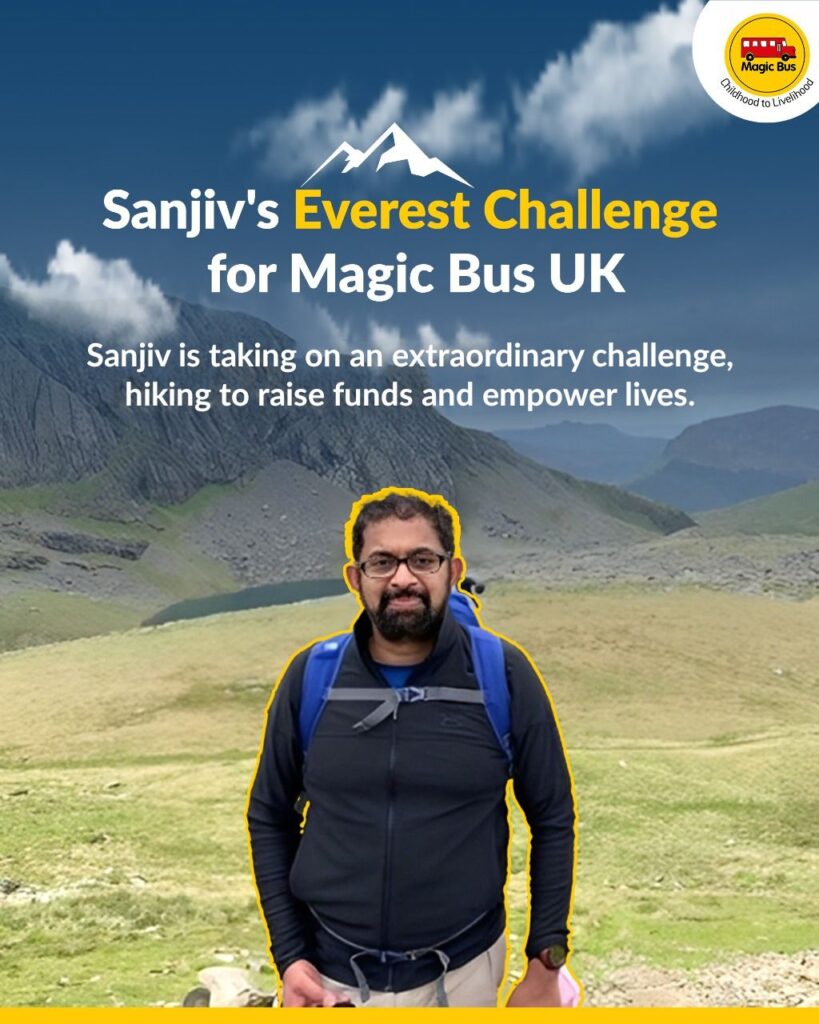
We’re thrilled to share that Sanjiv Padmanabhan , Magic Bus UK’s new board member, is embarking on an incredible journey to Everest Base Camp and Kalapathar (5,550 meters above sea level) from 23rd Feb to 8th March – to raise funds for Magic Bus UK!

Sanjiv’s passion for creating opportunities for children, regardless of their background, aligns deeply with Magic Bus India Foundation’s mission to break the cycle of poverty and empower young lives. This inspiring expedition is not just a physical challenge but a commitment to helping children achieve their dreams.

Let’s cheer him on and support his fundraiser on JustGiving, today!

Thank you, Sanjiv!

From Aspiration to Action

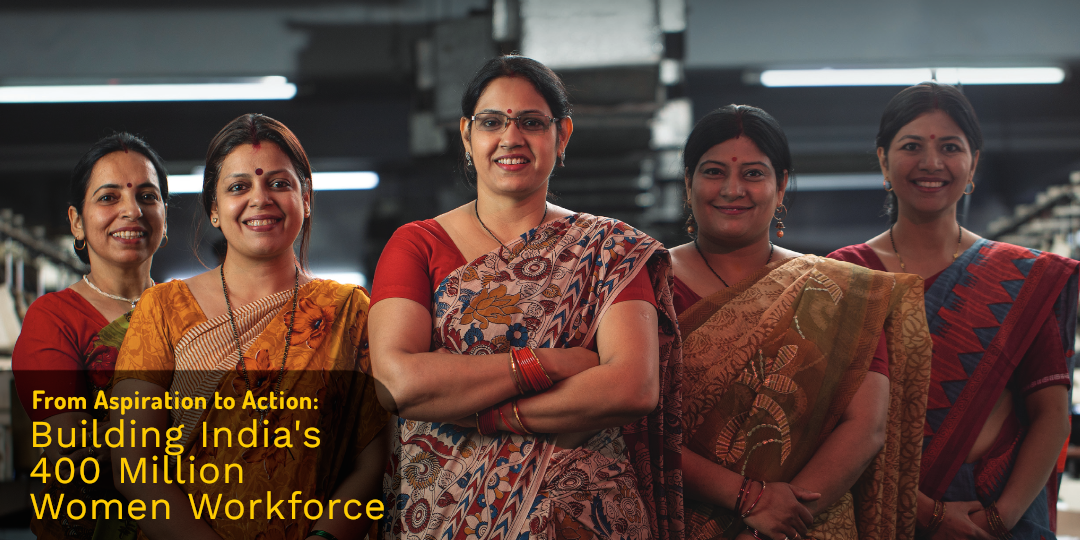
The Government of India has set itself the ambitious goal of significantly increasing its GDP by the year 2047, the centenary anniversary of India’s independence. To achieve this bold task, India will need to harness it’s female workforce by more than doubling the percentage of women in work, from 145 million today to 400 million over the next 23 years.

This enormous leap forward will be a tremendous challenge, which is why Magic Bus has partnered with one of the world’s leading management consultants, Bain & Company, to produce a report that identifies the barriers that women face, both rural and urban, to finding employment, and how they can be overcome.

Increasing the rate of female participation in the workforce in India will bring about a massive shift in the country’s attitudes to gender.

Over the coming months, we’re going to be sharing more updates about the report, including a major launch-event in London to celebrate its release. 

To stay up-to-date with news about how we’re working to increase female participation in India’s workforce, how you can attend next year’s launch event, and to stay engaged with Magic Bus UK’s work in general to help children and young people leave poverty behind, please fill out the marketing sign-up form below.

Seema’s Story

Seema's Story - Back to School

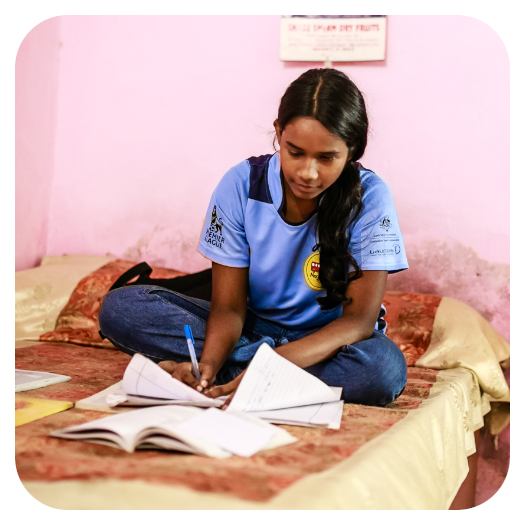
Meet Seema, a 14-year-old adolescent enrolled in grade 8 in Kolkata.

In January 2024, the adolescent collective at Seema’s school informed Magic Bus of her continued absence from school. Upon learning about this, the team conducted a home visit where the parents were not interested in having any discussion. However, given the prior rapport, they eventually agreed to speak to our team and shared that Seema had been forced to run away by a local boy who had convinced her to marry him and leave her studies behind.

While Seema realised the repercussions of her decision and came back home within a few days, she refused to attend school given her reluctance to face her peers from the same community.

The Magic Bus team, along with community volunteers, counselled Seema and held a meeting with the adolescent collective to came up with ways to enable a safe transition back to school and avoid any unwarranted comments from fellow classmates. Seema, with the constant support of the team and the collective, has now started attending school regularly.

With further encouragement to speak up during Magic Bus sessions, Seema has gradually regained her confidence and even shared how this journey has enabled her to truly understand the importance of continuing with her education. She wishes to study further, and her parents have expressed deep gratitude to the Magic Bus team for enabling their daughter to regain her confidence and have another chance at continuing her education.

Contact Info

Address: Cawley Priory,
South Pallant, Chichester,
PO19 1SY

Newsletter Signup

Sign up to hear all about upcoming Magic Bus UK events, and keep you up-to-date about all the work we are doing!

.

© 2026 Magic Bus. All Rights Reserved. Magic Bus UK is a Registered Charity, No. 1124753. | Designed By Graphic Kitchen. Developed By Anantek Technologies.